All official European Union website addresses are in the europa.eu domain.
See all EU institutions and bodies
An official website of the European Union | How do you know?
Environmental information systems
EN


Transport keeps people and goods moving across Europe, connecting communities and supporting the economy. Making our mobility system more sustainable through cleaner technologies, smarter investments and better transport choices will reduce its impact on the environment, climate and our health.
Transport is one of the largest sources of greenhouse gas emissions in the EU. It also contributes to air pollution, noise pollution and habitat fragmentation.
Unlike most other sectors, transport emissions have increased since 1990 and is also the largest contributor to nitrogen oxides emissions, which harm human health and the environment. Similarly, road transport is one of the main causes of environmental noise pollution in Europe.
As demand for transport has grown, new passenger cars, vans and trucks, planes and ships have become more efficient. The sheer volume of transport activity has impacted our greenhouse gas emissions and demands on all types of transport are expected to increase. Therefore, as more people and goods move across Europe, reducing the environmental impacts of transport requires rethinking how we move, not just what we drive.
Europe aims to become climate-neutral by 2050. Achieving this goal requires a more sustainable mobility system that combines cleaner and more active transport modes, cleaner fuels and, where possible, better planning that reduces the need for mobility.
Press releases and articles
Publications
Indicators
Maps and charts
Datahub
Info pages
Frequently asked questions
Transport activity in Europe in numbers
+31.8%
in passenger travel
between 1995 and 2023
+145.3%
in air travel
between 1995 and 2023
+30%
in passenger car transport
between 1995 and 2023
+43%
in freight transport
between 1995 and 2023
Source: EEA report Sustainability of Europe’s mobility systems 2025
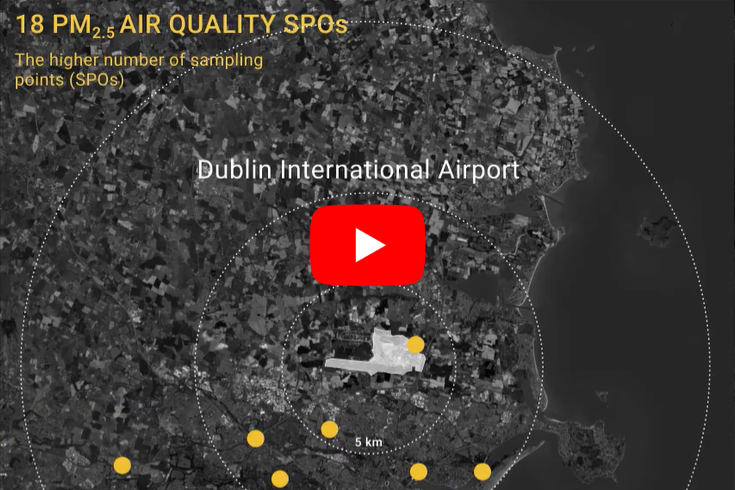
Watch a summary of the findings in a video on our YouTube channel, produced for the Clean Air Forum 2025.
How clean is the air around Europe's ports and airports?
Ports and airports can be hotspots for air pollution. Communities living near these major transport hubs can be exposed to higher levels of air pollution.
The EEA briefing explores why better monitoring is needed to understand these impacts and support cleaner air.
Preparing transport for a changing climate
Heatwaves, floods and other climate-related hazards are increasingly disrupting roads, railways and other transport infrastructure.
The EEA report explores how climate adaptation can make transport systems more resilient while helping protect vulnerable communities and maintain access to essential services. Better planning, smarter investments and nature-based solutions can help keep people and goods moving in a changing climate.

Pradamas Gifarry on Unsplash
EuroGeographics. Source: Copernicus Land Monitoring Service.
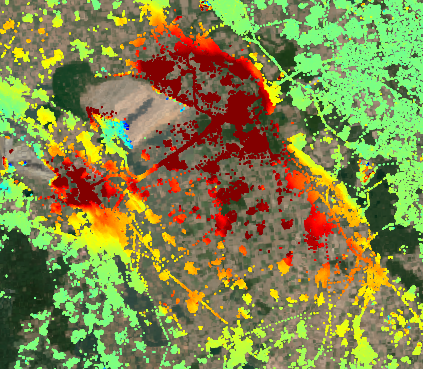
How can satellite data help strengthen transport infrastructure?
Ground movement can damage roads, railways, airports and ports, increasing safety risks and repair costs. Through the Copernicus Land Monitoring Service, the EEA provides the European Ground Motion Service, which uses satellite data to detect ground movement caused by natural hazards or human activity.
The service helps identify risks early, supporting safer infrastructure, better planning and more resilient transport networks.