All official European Union website addresses are in the europa.eu domain.
See all EU institutions and bodies
An official website of the European Union | How do you know?
Environmental information systems
EN

We communicate our work through a wide range of external activities and channels, targeting different audiences — policymakers, journalists, researchers, youth and the wider public. If you want to know more about our latest activities and outputs, see our press releases linked to on our assessments, read our feature articles for short insights into our work, follow our events relevant to your topic of interest or sign up to our newsletter to stay informed.
Shortcuts
Press releases
Check out our latest official press releases issued for our assessments and key corporate milestones.
Corporate materials
Our logos, design guidelines and photograph selection and more.
Feature articles
Short thematic articles consisting of interviews with our experts, editorials with our Director and more.
Events
See where and how you can follow our online and offline events.
Photo competitions
Our annual outreach activity to engage with European citizens and to raise awareness on key topics.
Newsletter
Sign up for a quarterly update on Europe's environment and our targeted dissemination of interesting material.
Are you a journalist? Meet our press office:
Constant Brand
Press officer
+45 2174 1872
cornelis.brand@eea.europa.eu
Laura Cernahoschi
Press officer
+45 2210 5667
laura.cernahoschi@eea.europa.eu
Do not hesitate to contact our press officers if you have any questions or would like to set up interviews.
If you are not a journalist and have a question about us and our work, please use the enquiries form.
Our latest press releases
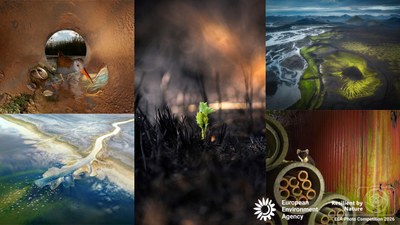
A bird navigating trash in a drainage pipe to nature's ability to recover after a forest fire – these are just two of the winning photos announced today that captured the spirit and ethos of this year’s European Environment Agency ‘Resilient by Nature’ photo competition.
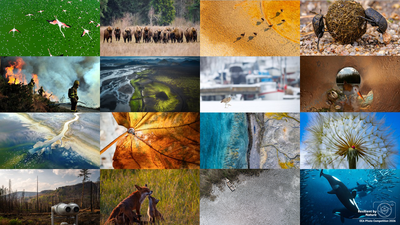
Do you like photography and nature? Then you might help determine this year's Public Choice Award winner for the European Environment Agency's (EEA) 'Resilient by Nature' photo competition. Check out the finalists and cast your vote for your favourite photos, starting today.
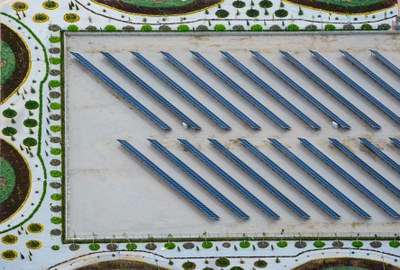
Clean energy technologies are creating hundreds of thousands of jobs across the European Union, according to a report published today by the European Environment Agency (EEA). However, persistent shortages of skilled workers risk slowing future growth, while at the same time the clean energy sector faces inclusion challenges, with women and young people underrepresented.