All official European Union website addresses are in the europa.eu domain.
See all EU institutions and bodies
An official website of the European Union | How do you know?
Environmental information systems
EN


Electric cars, vans, trucks and buses are an important part of Europe's move towards cleaner transport. They can help cut greenhouse gas emissions and air pollution from road transport, especially as electricity generation becomes cleaner. But electric vehicles alone cannot make Europe's transport system sustainable. Reducing the need to travel by car and making it easier to walk, cycle and use public transport are also important.
Electric vehicles are increasingly common on European roads. Across its life cycle, a typical electric car in Europe produces fewer greenhouse gases and less air and noise pollution than a petrol or diesel car. These benefits are likely to increase as more renewable energy is used to produce Europe's electricity.
However, electric vehicles still have environmental impacts. Producing electric vehicles and their batteries requires energy and raw materials, while road, tyre and break wear continues to cause pollution. Making batteries last longer, reusing and recycling their materials, and reducing the resources needed to produce electric vehicles can help lower these impacts.
Electric vehicles alone cannot solve problems such as congestion, road safety, demand for road space and the resources used to produce cars. They need to be part of a wider shift to a more sustainable transport system. This includes better public transport and greater use of car-sharing schemes, shared self-driving cars and a shift to alternative modes of transport (such as rail, walking and cycling). Better spatial planning and options, such as working from home, can also reduce the need to travel.
Press releases and articles
Publications
Indicators
Datahub
Frequently asked questions
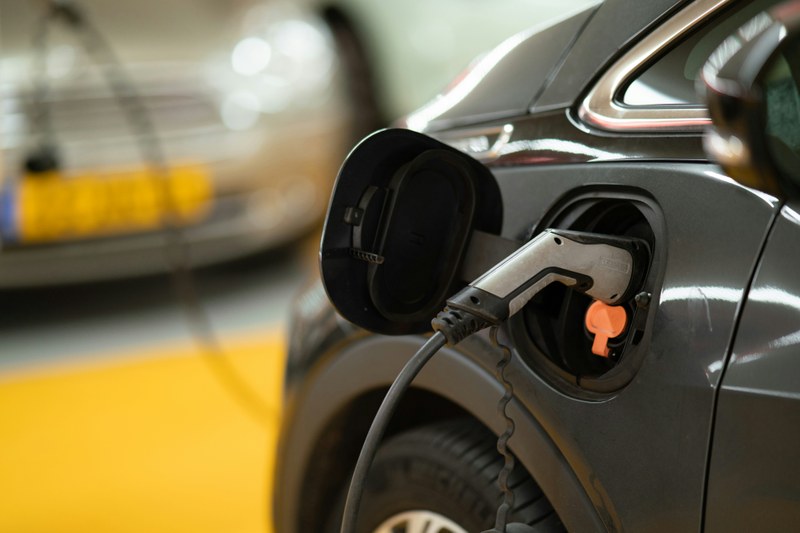
Michael Fousert on Unsplash
Electric cars are becoming more common on Europe's roads
Fully electric cars accounted for almost one in five new cars registered in the EU, Norway and Iceland in 2025, according to provisional data. Fully electric vans are also becoming more common.
The latest provisional EEA data show how the shift towards electric vehicles is helping reduce their average CO₂ emissions.
What will it take to make Europe's mobility system more sustainable?
Cleaner vehicles can help reduce the environmental impacts of transport but technology alone will not be enough.
The latest EEA assessment looks at how EU Member States are working towards a cleaner, more resilient and fair mobility system, and what more is needed to meet Europe's long-term sustainability goals.
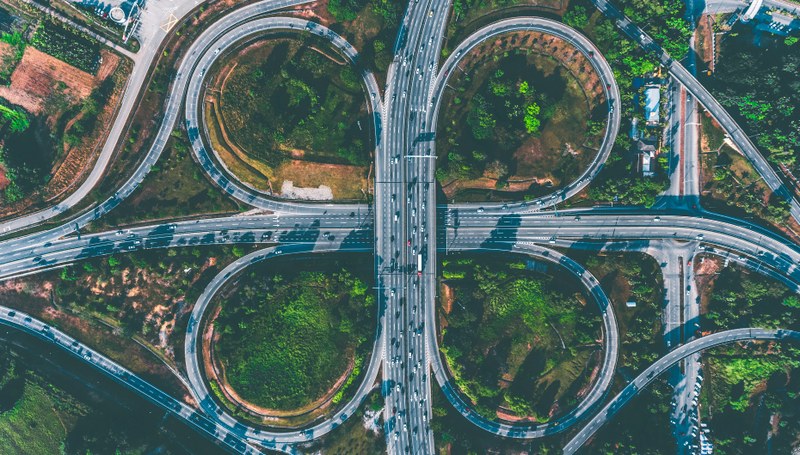
Deva Darshan on Unsplash
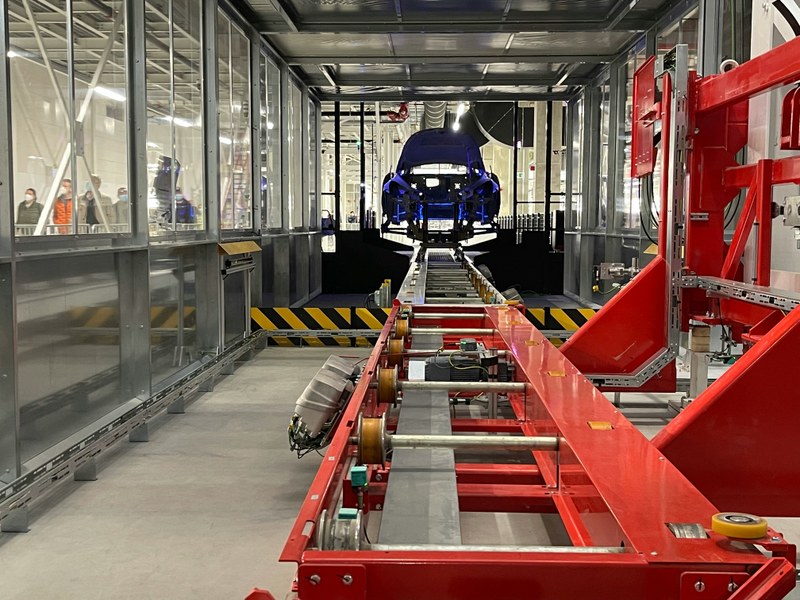
Martin Geiger on Unsplash
Making better use of valuable materials
The shift to electric vehicles is increasing demand for batteries and the raw materials needed to produce them. Keeping these materials in use for longer can reduce demand for new resources and lower environmental impacts.
Our briefing looks at how Europe can make better use of these materials, including those found in batteries used in electric vehicles and energy storage.