All official European Union website addresses are in the europa.eu domain.
See all EU institutions and bodies
An official website of the European Union | How do you know?
Environmental information systems
EN


Climate change is affecting people's lives across Europe through more frequent and severe heatwaves, flood, droughts and other extreme weather. Europe is adapting to reduce risks, protect people's health, safeguard nature and other extreme weather.
Climate change risks are increasing across Europe. Flooding, droughts, heatwaves and other climate-related hazards are becoming more frequent and severe. These hazards carry significant health and economic impacts. While some regions and communities are more vulnerable than others, Europe is not yet prepared for rapidly growing climate risks.
Between 1980 and 2023, extreme weather events caused around 240,000 human fatalities across Europe and economic losses of about EUR 738 billion over the same period. Less than a third of non-human losses were covered by insurance, making it harder for people, businesses and communities to recover after disasters.
Adapting to climate change is essential to reduce these risks. Measures such as making infrastructure more resistant to hazards, restoring floodplains and expanding urban green spaces can help protect people and nature, while strengthening Europe’s resilience to future climatic events.
Press releases and articles
Publications
Indicators
Maps and charts
Datahub
Projects
Frequently asked questions
Europe is not prepared for rapidly growing climate risks
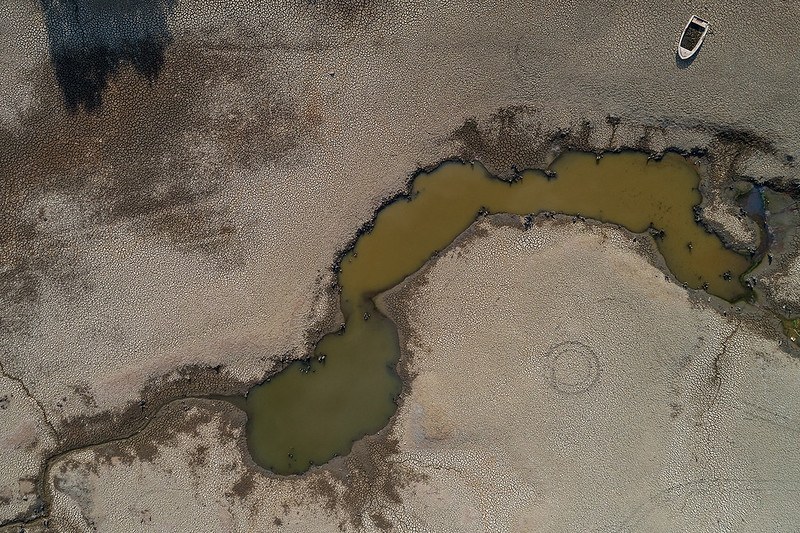
Europe is the fastest warming continent in the world, and climate risks are threatening its energy and food security, ecosystems, infrastructure, water resources, financial stability, and people’s health.
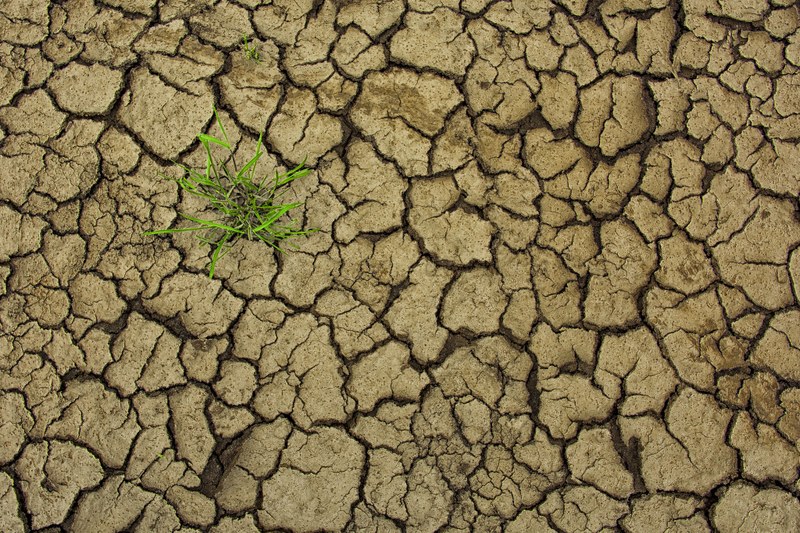
Extreme heat, drought, wildfires, and flooding, as experienced in recent years, will worsen in Europe even under optimistic global warming scenarios and affect living conditions throughout the continent. The EEA has published the first ever European Climate Risk Assessment (EUCRA) to help identify policy priorities for climate change adaptation and for climate-sensitive sectors.
According to our assessment, many of these risks have already reached critical levels and could become catastrophic without urgent and decisive action.
Igor Popovic, Climate Change PIX /EEA
Orhan Kartal, Climate Change PIX /EEA
How are extreme weather events influencing adaptation policies?
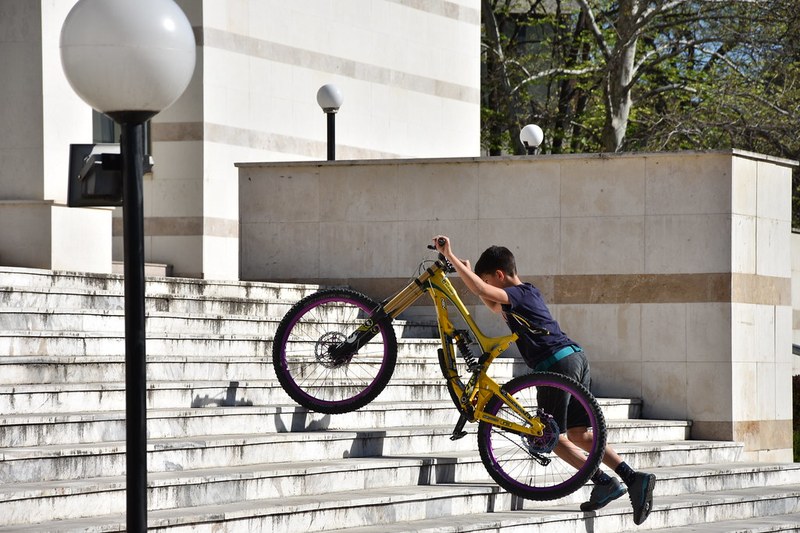
Climate-proofing the agriculture, energy and transport sectors should not only be seen as a cost, but also as an investment that can prevent billions of euros in losses from increasingly frequent floods, droughts, heatwaves and wildfires.
‘Making agriculture, energy and transport climate resilient’ shows how such investment can deliver a triple dividend: reducing losses, saving lives and protecting people, while also unlocking economic potential, including job creation and improved competitiveness.
Georgi Georgiev, Urban Treasures / EEA
How small municipalities contribute to climate adaptation
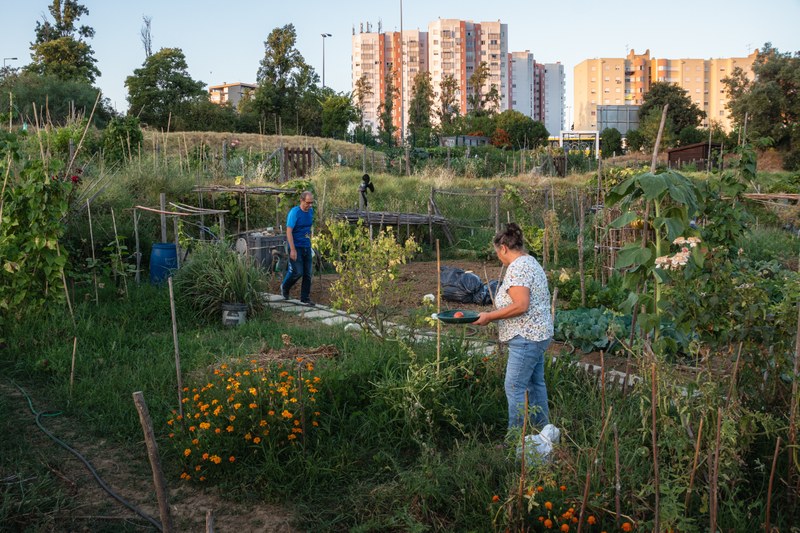
With around 40% of Europeans living in small municipalities, climate adaptation efforts must go beyond larger cities. The EEA briefing ‘Small but mighty — climate resilience in Europe’s small municipalities’ presents inspiring local case studies showing how municipalities are building resilience through leadership, collaboration and integration into plans and policies.
At the same time, limited funding, staff shortages, restricted access to data and expertise, and unclear responsibilities continue to constrain action.
Climate resilience must "leave no one behind"
As climate change impacts intensify across Europe, society must become better prepared — but everyone must be included. A new EEA report shows that vulnerable groups like the elderly, children, low-income households and people with disabilities, are most at risk and often do not benefit fairly from climate adaptation efforts.
The report urges all levels of government to put social justice at the heart of climate adaptation, with clear actions to build a resilient and inclusive Europe.
João Clemente, Urban Treasures / EEA