All official European Union website addresses are in the europa.eu domain.
See all EU institutions and bodies
An official website of the European Union | How do you know?
Environmental information systems
EN


The European continent is surrounded by different seas and diverse coastal zones that are essential to society, economy and nature in general. Climate change, pollution and over-exploitation are among the top threats these areas face. Europe has put in place measures to protect its seas, resulting in some local improvements.
From the North Sea to the Black Sea, the European continent is surrounded by seas with unique characteristics and each faces major challenges. Similarly, coastal zones, which are home to millions of Europeans, mirror this diversity—ranging from sand dunes and rocky cliffs to large estuaries. Europeans have been transforming coastal zones for centuries, building cities, ports, and tourism resorts, where many communities rely on healthy and clean coastal and marine ecosystems.
Degradation of marine and coastal ecosystems can be seen almost everywhere: in the Baltic, Black and Mediterranean seas and the North-East Atlantic and Arctic oceans. The effects of environmental degradation or climate change are sometimes irreversible.
Major threats to Europe’s coastal ecosystems and biodiversity today include:
- Climate change impacts, such as warmer surface waters and changes in pH and salinity levels, make it impossible for some shellfish to survive under new conditions
- Coastal erosion and rising sea levels
- Pressures from fishing and aquaculture activities
- Pollution and eutrophication (nutrient pollution) from land- and sea-based activities, including agriculture
- Dense coastal urban development and tourism
- Energy transmission lines and mining activities, and
- Spread of invasive species, especially through shipping.
EU policies and action by Member States have started resulting in local improvements but much more effort is needed to achieve sustainability in Europe's seas.
Press releases and articles
Publications
Indicators
Maps and charts
Frequently asked questions
Healthy seas, thriving fisheries: transitioning to an environmentally sustainable sector
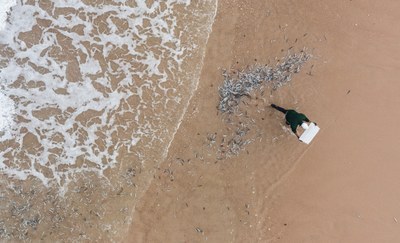
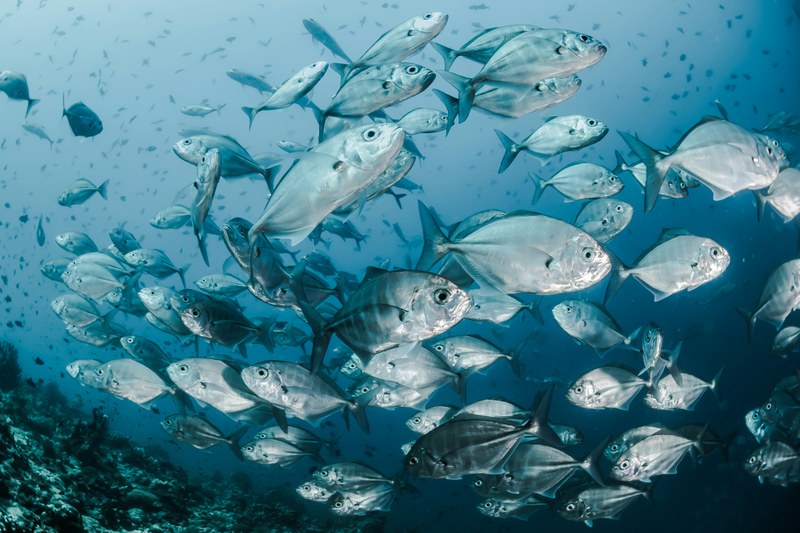
Europe’s regional seas are generally in poor condition which threatens the long-term competitiveness and sustainability of the European fishing industry. Overfishing, bycatch and habitat degradation drive the decline of marine biodiversity in Europe’s seas, together with pressures from eutrophication, pollution and climate change.
The EEA briefing provides an overview of the environmental state of European fisheries and identifies concrete options to help achieve a competitive and sustainable fishing industry in the long-term.
Joao Galamba, ZeroWaste PIX / EEA
Sebastian Pena Lambarri on Unsplash
Climate change’s ‘deadly trio’ for the seas
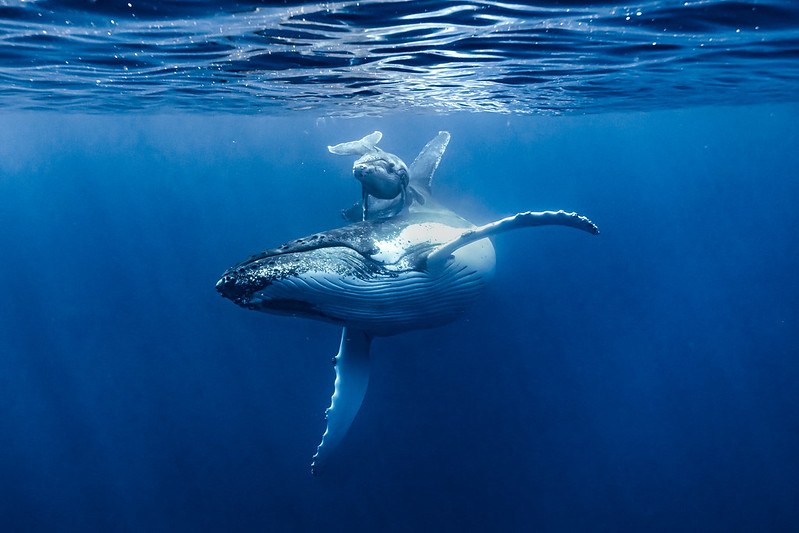
Climate change affects marine life negatively mainly through its ‘deadly trio’ of making seawater warmer, more acidic, and less rich in oxygen. This summer, global sea surface temperatures were record high and Europe’s regional seas experienced several marine heatwaves.
Recent research indicates that climate change could be responsible for up to half of the combined impacts on marine ecosystems.
The EEA published a briefing summarising some of the ways in which climate change is impacting Europe’s marine ecosystems.
85% of the bathing sites in Europe have excellent water quality
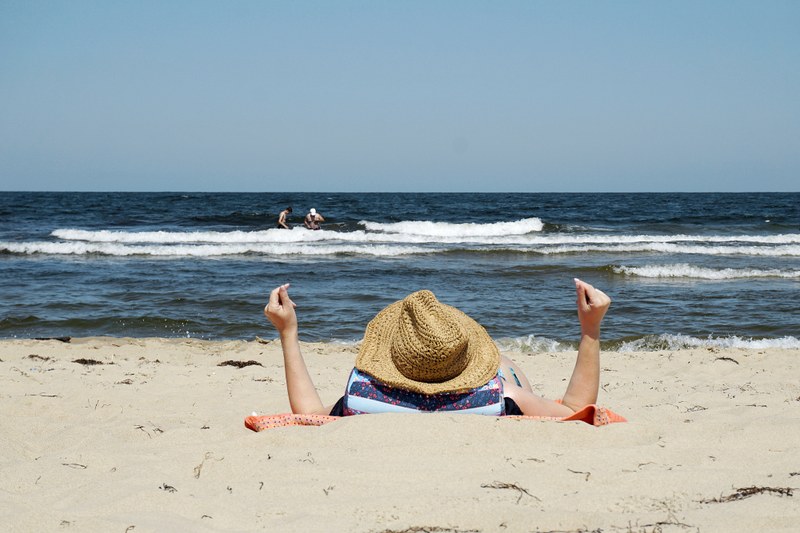
Be it a lake in Finland, an Aegean island or the Copenhagen harbour, every year millions of Europeans are enjoying a dip in the water.
Thanks to EU legislation and effective implementation by Members States, the bathing water quality improved significantly over the last four decades. Today more than 95% of bathing sites meet the minimum standards set by EU legislation.
Dariusz Madziński, WaterPIX /EEA
Charlotte Boiron, Well with Nature/EEA
Maritime transport and life under the surface
Maritime transport is estimated to have contributed to the fact that underwater noise levels in EU waters have more than doubled between 2014 and 2019 and has been responsible for half of all non-indigenous species introduced into European seas since 1949. However, even though the volume of oil transported by sea has been steadily increasing, only eight accidental medium to large oil tanker spills out of a worldwide total of 62 occurred in EU waters over the past decade.
These are only a few of the impacts of the maritime sector on Europe's marine ecosystems. Our joint report 'European Maritime Transport and Environment' (EMTER) with the European Maritime Safety Agency provides a comprehensive analysis.
Explore WISE Marine for data and information on marine ecosystems.
ImageArkadiusz Srebnik, Well with Nature/EEA
Silvia Cottone, Well with Nature/EEA
Are Europe's seas clean, healthy and productive?
The use of Europe's seas — both in the past and today — is taking its toll on the overall condition of marine ecosystems. This puts expectations for their future use at odds with the long‑term policy vision for clean, healthy and productive seas.
Signs of stress are visible at all scales — from changes in the composition of marine species and habitats to a shift in the seas' overall physical and chemical characteristics. Looking closer at the overall condition of marine biodiversity in Europe, some worrying conclusions emerge:
- Almost all marine species groups appear to be in bad condition throughout Europe’s seas, with mixed recovery trends.
- For many species and habitats, there is too little information available to analyse their status or identify whether they are on track towards recovery.
- While some species are recovering, Europe’s marine ecosystems appear to be in decline overall.
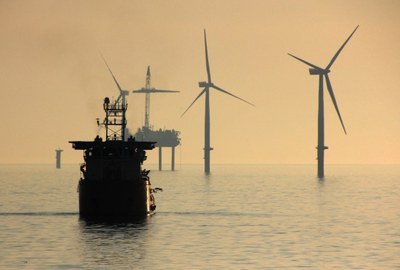
Harnessing offshore wind while preserving the seas
Understanding the trade-offs involved in placing turbines in sensitive and vulnerable coastal waters, coupled with an integrated planning approach when expanding marine protected areas, can help to mitigate potential negative environmental impacts, according to the EEA briefing "Harnessing offshore wind while preserving the seas".
It notes that the installation of offshore wind farms can be combined with other measures that benefit the environment. Offshore wind deployment can also lead to positive impacts on the local environment, such as leading to the creation of new habitats, based on artificial reefs.
Tim Laws, WaterPIX /EEA