All official European Union website addresses are in the europa.eu domain.
See all EU institutions and bodies
An official website of the European Union | How do you know?
Environmental information systems
EN


Europe’s progress towards sustainability requires new means of consumption and production with significantly lower impacts. This horizon scan explores those rapidly developing digital trends and technologies, and some of the opportunities and risks they present for sustainability.
Key messages
Digitalisation and artificial intelligence (AI) can reduce emissions and resource use by optimising industrial and agricultural processes.
Advanced digital tools support more sustainable mining practices, urban mining and recycling, vital processes as Europe seeks to secure critical raw materials for the green and digital transitions.
AI‑driven marketing and digital commerce increasingly allow consumer behaviour to be nudged, however, which can stimulate impulsive purchasing and reinforce fast‑turnover consumption patterns.
The environmental footprint of digital systems also presents a growing sustainability challenge, especially energy and water demand for fast‑growing data centres.
Realising Europe’s sustainability potential requires robust governance frameworks and digitalisation‑specific regulation to ensure that innovation supports — rather than undermines — Europe’s objectives.
The environmental impacts of Europe’s current consumption and production patterns
At the global level, resource extraction and processing are major drivers of environmental harm. They cause over half of global greenhouse gas emissions, 40% of the health impacts from particulate matter and over 90% of biodiversity loss and water stress. The prevailing patterns of production and consumption in Europe provide the foundation for citizen well-being, yet also create significant environmental and climate impacts. Although the European Union (EU) represents only 5.5% of the world’s population, it consumed 6.7% of global extracted resources in 2020 and generated 8.7% of the global climate impacts linked to resource extraction and processing in 2021. EU consumption also accounts for 7.2% of global land-based biodiversity loss and 7.1% of the health impacts of emissions of fine particulate matter (PM2.5) from these activities (EEA, 2025a).
While the per-capita material footprint of the EU fell by 5.5% between 2010 and 2024 (see Figure 1), it remains above the global average (UNEP IRP, 2024). Resource consumption remains at a level that still exceeds the planet’s ‘safe operating space’ for resource extraction (EC, 2023). The EU’s material footprint is also projected to rise in the period to 2030 (EEA, 2025b). In this context, extending product lifespans through circular design and production practices is key to lowering demand for new products and materials (EEA, 2024). However, comprehensive data on product lifespan trends remain limited, while the supply of new products shows no sign of decreasing.
Figure 1. Raw material consumption, EU
This briefing describes seven current and emerging trends linked to digitalisation (see Figure 2) expected to increasingly shape European patterns of production and consumption — and their impacts on our environment and climate. These trends were identified in partnership with the European Environment Information and Observation Network (Eionet), with support from the European Topic Centre on Sustainability Transitions (ETC ST), using horizon-scanning methods (see Box 1). Detailed findings of the horizon scan and a description of the method are available in the ETC ST report Horizon Scanning 2025: Results of the EEA-Eionet participatory horizon scan to identify emerging issues relevant to sustainable consumption & production.
Box 1. EEA-Eionet horizon scanning
Horizon scanning is a participatory method widely used to anticipate and better prepare for different futures. A multi-disciplinary cohort of people is assembled, whose combined expertise can contribute to identifying emerging issues to support future policy development. By involving experts from across disciplines, horizon scanning can be used to explore how current political, economic and technological developments may impact our environment and climate and affect progress towards sustainability. Horizon scanning can also be used to identify potentially significant emerging issues that might be overlooked by research with a narrower focus.
The European Environment Agency (EEA) and Eionet have collaborated on horizon scans since 2017, aiming to anticipate issues that affect our climate and environment. In 2025, the horizon scan focused on consumption and production and explored the potential for emerging issues to contribute to or impede progress towards sustainability in Europe. Together with EEA experts, Eionet members from over 20 countries contributed to the identification of 138 recent pieces of information and their further clustering and analysis. For more information on horizon scanning, see the EEA webpage ‘Foresight for sustainability’.
Figure 2. The seven digitalisation-linked trends explored in this briefing
Please select a resource that has a preview image available.
Emerging trends in consumption and production

Exploiting the brain’s reward system to shape demand
Consumption is entwined with psychological reward mechanisms, whereby the acquisition of goods activates responses linked to anticipation, satisfaction, status and social belonging (Fürst et al., 2015; Dubois and Ordabayeva, 2015). When overstimulated, these same mechanisms can foster addictive patterns of repeated overconsumption (Campanella, 2024). Such patterns can have direct environmental consequences when repeated on a global scale, driving higher material throughput and increased generation of waste. The algorithms used in digital commerce leverage these mechanisms to influence consumer preferences. ‘Recommender systems’ and AI shape purchasing behaviour via ‘anchoring’ and ‘persuasive personalisation methods’ that shift consumers' willingness to pay, while ‘dynamic creative optimisation’ deploys these strategies in real time and at scale (Masłowska et al., 2022) (see Box 2 for descriptions of terms). Behavioural monitoring, including micro-level interaction cues such as keyboard dynamics and sensor data, allows systems to infer emotional states and tailor content accordingly (Kołakowska et al., 2020; Ghosh et al., 2019). Adaptive advertising further deploys scarcity signals and time pressure to heighten purchase intention, while AI-enabled localisation adapts content to local linguistic and cultural norms to build trust in cross-border e-commerce (Davoodi and Mezei, 2024).
Box 2. Popular digital commerce methods
Recommender system: a machine learning-based information filtering tool that predicts user preferences and suggests relevant items, such as products, movies or content, from vast datasets
Anchoring: a strategy whereby specific information is highlighted, such as a price reduction or a positive review, to influence how customers perceive a product
Persuasive personalisation methods: matching the content, style or delivery of a message to an individual's specific psychological profile, behaviours or preferences to increase the likelihood of influencing their attitudes or behaviours
Dynamic creative optimisation: automated, real-time advertising technology that tailors advertising elements based on user data and contextual signals
Influencer marketing has become an important element of this ecosystem, frequently blurring the boundaries between personal recommendation and paid advertising. Algorithms amplify such content by prioritising posts with high engagement metrics, reinforcing visibility and perceived popularity (Melgarejo-Espinoza et al., 2025). Gamification similarly raises engagement, particularly among younger consumers, through point scoring, badges and challenges (Li, 2025).
As streaming platforms, gaming ecosystems and news outlets function as direct sales channels, the boundaries between entertainment, information and retail are now increasingly porous. Digital purchasing platforms and home delivery models also facilitate online purchasing across age groups (Eurostat, 2025, 2026). How these developments can be reconciled with the EU’s goals to reduce resource use and extend product lifespans is an increasingly pressing question (EEA, 2026a).
Box 3. Current EU actions on AI use in marketing
Policies aimed at fostering sustainable consumption must deliver in a context where demand is shaped by increasingly sophisticated online marketing and sales techniques. The EU AI Act was launched in August 2024 and is being implemented in stages, with some provisions already applying and the main body applying from August 2026. This act classifies AI tools into risk levels, with several significant implications for marketing.
Since February 2025, any AI that uses subliminal techniques to manipulate behaviour, exploits vulnerabilities of specific groups or performs social scoring is banned. Thanks to a new transparency obligation, AI tools such as chatbots or virtual assistants will be required to inform users that they are interacting with a machine. AI-generated content (images, video or text) that appears to be human-made needs to be clearly labelled to prevent deception from August 2026. Non-compliance can lead to severe fines of up to 7% of total global annual turnover. While not addressing consumption directly, the AI Act is an important tool to limit the risks associated with AI-powered marketing.

How new consumption patterns drive suppliers to shorten product life cycles
Technological advances and economic forces have converged to shorten product life cycles in both the production and sales stages of the value chain. This includes the time from product innovation and development to market placement and use (EP, 2016).
The global reach, real-time reactivity and algorithm-based advertising of today’s digital platforms amplify competition, compelling suppliers to perpetually refresh product portfolios. These effects are compounded by China’s dominant role in driving global production and consumption patterns. Hyper-competitive domestic markets generate spillover effects that propagate around the world, speeding up product renewal rates across entire industrial sectors (JRC, 2025a).
At the same time, digital technologies are reconfiguring product innovation (Vărzaru and Bocean, 2024). Rapidly growing AI capabilities are dramatically shortening product development cycles (Stanford HAI, 2025; Dominguez, 2025). Advanced machine learning and automated development also support the rapid development of multiple design options at significantly lower costs (Steininger et al., 2025).
Under such conditions, new product generations materialise on a monthly rather than annual basis. This is creating rising aggregate environmental pressure, even where the efficiency of individual devices and services has improved. The strategic implications for firms are profound. As timeframes for product obsolescence shorten, suppliers must introduce successive product generations with increasing frequency while recuperating development costs within compressed timeframes. The competitive risk associated with even marginal delays in sourcing, design or launch escalates correspondingly. In the absence of mandatory sustainability guidelines, corporate strategies risk increasingly prioritising novelty and variety over sustainability.
Box 4. Current EU actions on product life cycles
Several EU policies address product life cycles, with a focus on enhancing sustainability from design to disposal. Key regulations like the Ecodesign for Sustainable Products Regulation and the Directive on repair of goods, both launched in 2024, aim to increase durability, reusability and repairability while banning the destruction of certain unsold goods.
The review of the Industrial Emissions Directive (IED) resulted in the final adoption of the Industrial and Livestock Rearing Emissions Directive (IED 2.0), which integrated circular practices and resource efficiency in the identified best available techniques (BAT). This directive entered into force in August 2024, followed by Member State transposition.
Another directive empowering consumers for the green transition will apply from 27 September 2026. This will ensure that, at the point of sale, consumers are provided with better information on the durability and reparability of goods and the consumer’s legal guarantee rights.

Environmental impacts of data centres
AI itself illustrates how environmental footprints can scale rapidly. Forecasts project power demand from data centres in Europe to increase from 96 terawatt hours (TWh) in 2024, to 168TWh by 2030 and to 236TWh by 2035 — growth of almost 150% in 10 years. Data centres’ share of total power demand is anticipated to nearly double, despite the substantial overall increase in power demand anticipated over the coming decade due to electrification (ICIS, 2025; EP, 2025).
Current projections on the water demand of AI-driven data centres for cooling and electricity generation suggest an elevenfold increase between 2024 and 2028, when demand is expected to equate to 1,068 billion litres annually (Fu, 2025). This demand will place additional pressures on regional infrastructure, even as some are already struggling under seasonal effects such as heatwaves and droughts. See the EEA briefing on artificial intelligence and sustainable consumption in Europe (EEA, 2026a) for more details on this topic.

Impact of the digital transformation on resource extraction in Europe
The global shift to renewable energy significantly increases demand for critical raw materials such as lithium, cobalt, rare earth elements, and platinum group metals (IRENA, 2023), alongside equally substantial demand from electronic goods, batteries, and semiconductors. Forecasts indicate significant increases in demand (Carrara et al., 2023), though strategies to meet it remain uncertain (ECA, 2026).
Mining is among the sectors aiming to further integrate AI and automation technologies, presenting opportunities and risks relating to Europe’s sustainability. AI-driven geological modelling and remote sensing may improve resource identification while reducing some environmental impacts (Davies et al., 2025). The automation and electrification of mining equipment could also cut emissions and enhance worker safety (Garbarino et al., 2021). Precision mining techniques, enabled by robotics and real-time data analytics, have been proposed as a means to reduce waste and optimise ore recovery (Hidayat, M., 2025). Digital twins may support remote monitoring and predictive maintenance (van Dinter et al., 2022).
The extent to which these technologies translate into measurable environmental improvements in practice remains unclear. Adoption data are largely self-reported by commercial actors, large-scale deployment is still limited and benefits demonstrated in controlled or pilot settings do not always scale. Hydrometallurgical and bioleaching methods offer lower-impact alternatives for metal extraction (Saleem et al., 2023; Roberto and Schippers, 2022), though environmental advantages depend on deployment conditions and scale.
Overall, digital and process innovations could reduce the environmental footprint of mining, though the evidence base for real-world outcomes remains thin. Progress will depend on how quickly and broadly these technologies are adopted and whether governance frameworks ensure efficiency gains translate into genuine environmental reductions, rather than expanded extraction volumes.
Box 5. Current EU actions on resource extraction
The dependency on CRMs poses strategic challenges for the EU since the continent has few of these resources naturally. The Critical Raw Materials Act is the EU’s main strategy to address this. Launched in 2024, it aims to ensure Europe has the resources to meet its 2030 climate and digital objectives.
The revised Industrial and Livestock Rearing Emissions Directive (IED 2.0) formally brings EU metal‑ore mining (plus on‑site beneficiation) under the IED’s BAT‑based permitting regime. A new ‘MIN BREF’ (mining industry best available techniques reference) was drafted to set the sector’s reference environmental performance, covering emissions, energy/water efficiency, circularity and decarbonisation (EU-BRITE, 2025). The scope covers a long list of critical and base metals, including lithium, nickel, copper, iron and zinc. . Once BAT conclusions have been adopted, permitting decisions across the EU will use them as binding reference points. Operators will need to prepare and update practices accordingly.
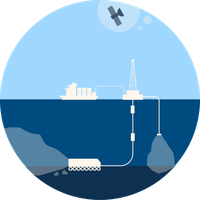
Deep-seabed and space mining
Within the same context of strategic autonomy and high demand for CRMs, deep-seabed and space mining are emerging as potential sources. These emerging industries raise different but equally serious ecological and governance concerns.
Deep‑seabed mining is at a critical crossroads, with geopolitical, environmental and regulatory dynamics pulling in opposite directions. Momentum toward exploitation is growing, driven by rising demand for critical minerals and pressure from some states and industries to begin or amplify commercial mining. However, the environmental impacts of deep-seabed mining are still under study and a source of growing concern. Impacts vary depending on the type of activities involved: direct impacts on the seabed ecosystems (most of which are not yet fully known and understood) of the selected mining sites and pollution by ships onto surface water and from the dewatering of slurry on board (JRC, 2025b).
While relocating mining activities to space could in theory help to reduce terrestrial environmental pressures, the potential environmental impacts are still concerning. Research modelling the impacts of commercial space flight on the atmosphere shows that despite relatively small CO2 totals per launch, more frequent launches and re-entries could impact the ozone‑layer recovery achieved under the Montreal Protocol, due to the warming effect of black carbon (soot) emitted by rockets (Ryan et al., 2022; Maloney et al., 2022). Soot affects the ozone layer primarily by absorbing solar radiation in the stratosphere, heating the surrounding air and triggering chemical reactions that break down ozone molecules. Other potential impacts of space mining include the creation of space debris and the alteration of celestial bodies that are still mostly unknown.
Box 6. Current EU actions on deep-seabed and space mining
On deep-seabed mining, there is a consensus among the science academies of EU Member States that knowledge of its impacts on the environment is not comprehensive enough (EASAC, 2023). As a consequence, the EU is applying the precautionary principle and advocating for strict environmental safeguards and international cooperation to prevent biodiversity loss (EC, 2022). It has so far rejected recommendations to explore this activity despite calls for it to boost the EU’s competitiveness (Canton, 2024; Zovko, 2026).
Space mining is being actively explored globally by both public and private actors, although legal frameworks followed by all are still lacking. The EU published the Vision for the European Space Economy in June 2025. This lays out Europe’s approach to developing the lunar and cislunar (between the Earth and the Moon) economy, including ‘exploration; mining; resource extraction and use; infrastructure development; and the establishment of logistic and supply chains that are critical for future commercial and scientific missions’. According to this vision, any development of space technologies should abide by the Clean Industrial Deal (CID), which reframes decarbonisation as an industrial competitiveness agenda by coupling affordable energy, creation of low-carbon products, finance and circularity (EC, 2025c).

Boosting urban mining and recycling
Urban mining is the recovery, reuse and recycling of valuable materials from urban waste, such as electronics, construction debris and other products. Technologies for recovering lithium, cobalt and rare earths from end-of-life batteries and electronics are progressing, although current capacity remains below the EU’s 2030 targets (ECA, 2026).
High-efficiency sorting systems and solvent extraction techniques enable secondary raw materials to re-enter production cycles, reducing pressure on virgin resources and cutting greenhouse gas emissions. However, the required development of these techniques at scale remains uncertain due to higher energy costs and a lack of mature technical expertise (Vo et al., 2026).
Focus has also been put on enhancing the material efficiency of renewable energy technologies. In the solar sector, advances in photovoltaic (PV) cell design have reduced the quantity of silicon and silver required per watt of output, while maintaining or improving efficiency. Similarly, wind turbine manufacturers have optimised blade and generator designs to minimise the use of rare earth elements without compromising performance (García-Gusano et al., 2025).
Box 7. Current EU actions on electronic waste recycling and recovery
The Waste from Electrical and Electronic Equipment (WEEE) Directive was launched in 2012 to address the rapidly growing amount of electronic waste, making recycling the rare materials they contain still highly relevant (Lodato et al., 2026; EC, 2026). The Critical Raw Materials Act was adopted in 2024 with the aim of ensuring European extraction, processing and recycling of strategic raw materials meet 10%, 40% and 25% of the EU's demand by 2030, respectively. To achieve these objectives, the European Commission selected 47 strategic projects located within the EU and 13 outside. Of the EU-based projects, 17 address recycling (EC, 2025b). The upcoming Circular Economy Act is envisaged to revise the WEEE Directive to improve CRM recovery.
Meanwhile, to operationalise resilience, the RESourceEU Action Plan (December 2025) added joint purchasing/stockpiling, a European Critical Raw Materials Centre (to be proposed in 2026) and EUR 3 billion near-term funding to de-risk projects and expand recycling (e.g. of permanent magnets) (EC, 2025a).

AI optimisation of production and agricultural processes
More broadly, digitalisation presents opportunities to optimise production systems, which could reduce the use of materials and energy in most processes. Harmonised combinations of strategies for both upstream (anything occurring earlier in a supply chain, e.g. sourcing raw materials) and downstream stages (final stages of a supply chain, e.g. distribution) yield the best results. Therefore, different indicators are being developed to assess the effects of such strategies and how their benefits compare to the investments made to put them in place (Almelhem et al., 2025; Madanaguli et al., 2024). With optimisations, AI can support cleaner production through advanced scheduling, predictive maintenance, real-time control and other capabilities that translate into measurable reductions in energy, materials and emissions across manufacturing value chains (Agrawal et al., 2023).
AI-enabled precision agriculture employs high-resolution sensing and predictive analytics to support farmers’ decision-making, thereby reducing the use of water, fertilisers and pesticides. Deep learning models that fuse remote sensing with temporal networks (network representation where components and their interactions evolve through time) can markedly improve irrigation demand forecasting. This can enable significant gains in water‑use efficiency and yield stability, relative to traditional scheduling (Ye et al., 2024). The use of AI and robotics in pest management enables ‘spray‑as‑needed’ techniques that reduce the use of pesticides and associated environmental impacts (Mesías-Ruiz et al., 2023).
Box 8. Current EU actions on AI optimisation
If proactively governed, there could be huge opportunities for Europe stemming from the twin green and digital transition (EEA, 2026b). The Commission’s advanced manufacturing agenda aims to integrate AI into production systems to improve efficiency and product quality. Capabilities such as AI-supported real‑time monitoring, predictive maintenance and optimisation of supply chains and production planning are considered central to creating more resilient and sustainable manufacturing environments.
The AI Continent Action Plan and the Apply AI Strategy aim to boost the adoption of AI technologies across strategic sectors, including manufacturing, robotics and climate and environment. They mobilise investment, expand access to industrial data and promote AI-driven automation to help European industries increase productivity and technological sovereignty. The strategies emphasise sectoral deployment of AI and seek to strengthen uptake among small and medium-sized enterprises (SMEs). Meanwhile, the Common European Agricultural Data Space, aimed for March 2028, will progressively enable those technological and digital developments in the agricultural sector.
The Made in Europe (MiE) partnership — a EUR 1.8 billion public‑private initiative under Horizon Europe — focuses specifically on the digital transformation of manufacturing, supporting projects that integrate AI, robotics, data and advanced automation into production processes.
Several Horizon Europe calls also target AI applications in industrial optimisation. Examples include projects under the AI Innovation Package and broader AI deployment initiatives, funded through Horizon Europe and the Digital Europe Programme. Together these allocate over EUR 1 billion per year to AI research and innovation. These programmes support AI-driven efficiency improvements in sectors including energy systems, logistics and industrial robotics.
Conclusion
The seven trends examined in this briefing illustrate the dual and often contradictory pressures that digitalisation and AI place on Europe's sustainability agenda.
On the consumption side, increasingly sophisticated digital marketing techniques, from algorithmic recommender systems and affect-aware targeting to influencer ecosystems and gamified retail, are accelerating demand and shortening product life cycles. These dynamics complicate EU efforts to reduce material footprints and extend product lifespans, particularly given the pace at which such techniques evolve relative to regulatory cycles.
On the production side, digitalisation offers tools for improving resource efficiency: AI-optimised manufacturing, precision agriculture, advanced recycling and smarter mining practices all present pathways to lower environmental impacts. However, the evidence base for large-scale real-world outcomes remains limited across most of these domains. In some, such as data centres, the environmental footprint of digital infrastructure itself presents a growing and not yet offset cost.
Across all these trends, digitalisation neither straightforwardly enables nor undermines sustainability. Its effects are mediated by governance choices, investment priorities and the speed of regulatory response. Realising the potential of digital tools while managing their risks will require policy frameworks that are both proactive and adaptive, operating across consumption, production and resource extraction in an integrated way.
EEA Briefing 19/2026:
Title: EEA-Eionet Horizon Scan – Emerging trends in production and consumption
HTML: TH-01-26-038-EN-Q - ISBN: 978-92-9480-790-8 - ISSN: 2467-3196 - doi: 10.2800/1584149
Agrawal, R., et al., 2023, ‘Integration of artificial intelligence in sustainable manufacturing: current status and future opportunities’, Operations Management Research 16(4), pp. 1720-1741 (DOI: 10.1007/s12063-023-00383-y).
Almelhem, M., et al., 2025, ‘Comparison of sustainability and circularity indicators: downstream vs. upstream supply chain strategies’, Discover Sustainability 6(1), p. 302 (DOI: 10.1007/s43621-025-01158-0).
Campanella, S., 2024, ‘Addictive behaviors: decades of research, but still so many questions!’, Frontiers in Psychology 15 (DOI: 10.3389/fpsyg.2024.1485118).
Canton, J., 2024, NGOs’ Concerns Regarding References to Deep Sea Mining in Mario Draghi’s Report: The Future of European Competitiveness, (https://ejfoundation.org/resources/downloads/Reply_Concerns-regarding-references-to-deep-sea-mining_FINAL_2024-10-10-154645_kyqh.pdf).
Carrara, S., et al., 2023, Supply chain analysis and material demand forecast in strategic technologies and sectors in the EU – A foresight study, Joint Research Centre (JRC), Luxembourg (https://publications.jrc.ec.europa.eu/repository/handle/JRC132889) accessed 12 March 2025.
Davies, R. S., et al., 2025, ‘Artificial intelligence and machine learning to enhance critical mineral deposit discovery’, Geosystems and Geoenvironment 4(2), p. 100361 (DOI: 10.1016/j.geogeo.2025.100361).
Davoodi, L. and Mezei, J., 2024, ‘A Large Language Model and Qualitative Comparative Analysis-Based Study of Trust in E-Commerce’, Applied Sciences 14(21) (DOI: 10.3390/app142110069).
Dominguez, L., 2025, ‘How AI Will Transform Product Development, Speed to Market’, Consumer Goods Technology (https://consumergoods.com/how-ai-will-transform-product-development-speed-market) accessed 8 December 2025.
Dubois, D. and Ordabayeva, N., 2015, ‘Social Hierarchy, Social Status and Status Consumption’, in: The Cambridge Handbook of Consumer Psychology, , pp. 332-367.
EASAC, 2023, Deep-sea mining: assessing evidence on future needs and environmental impacts (https://www.interacademies.org/sites/default/files/2023-06/EASAC_Deep_Sea_Mining_Web_publication_.pdf).
EC, 2022, Setting the course for a sustainable blue planet- update of the Joint Communication on International Ocean Governance (https://oceans-and-fisheries.ec.europa.eu/document/download/77056529-c1fe-49e4-9776-11c54b060a97_en?filename=join-2022-28_en.pdf) accessed 12 March 2026.
EC, 2023, ‘Consumption Footprint Platform | EPLCA’ (https://eplca.jrc.ec.europa.eu/ConsumptionFootprintPlatform.html) accessed 13 March 2023.
EC, 2025a, ‘Commission adopts RESourceEU to secure raw materials, reduce dependencies and boost competitiveness’, European Commission (https://ec.europa.eu/commission/presscorner/detail/en/ip_25_2891) accessed 10 December 2025.
EC, 2025b, ‘Selected strategic projects under CRMA’ (https://single-market-economy.ec.europa.eu/sectors/raw-materials/areas-specific-interest/critical-raw-materials/strategic-projects-under-crma/selected-projects_en) accessed 16 September 2025.
EC, 2025c, Vision for the European Space Economy - Defence Industry and Space, (https://defence-industry-space.ec.europa.eu/document/download/918ee802-a3e5-42ea-91a1-032c7e0ab8a9_en?filename=Communication.pdf) accessed 12 March 2026.
EC, 2026, ‘State of the Digital Decade 2026 - Closing structural gaps and mobilising investments for 2030 and beyond | Shaping Europe’s digital future’ (https://digital-strategy.ec.europa.eu/en/library/state-digital-decade-2026-closing-structural-gaps-and-mobilising-investments-2030-and-beyond) accessed 29 July 2026.
ECA, 2026, Special report 04/2026: Critical raw materials for the energy transition (http://www.eca.europa.eu/en/publications/sr-2026-04) accessed 25 March 2026.
EEA, 2024, Product lifespans — monitoring trends in Europe, EEA Briefing (https://www.eea.europa.eu/en/analysis/publications/product-lifespans-monitoring-trends) accessed 21 March 2025.
EEA, 2025a, Europe’s environment 2025, No 11/2025, European Environment Agency (https://www.eea.europa.eu/en/europe-environment-2025) accessed 30 October 2025.
EEA, 2025b, Zero pollution monitoring and outlook 2025, EEA-JRC Report No 13/2024 (https://www.eea.europa.eu/en/analysis/publications/zero-pollution-monitoring-and-outlook-report) accessed 28 April 2025.
EEA, 2026a, ‘Artificial intelligence and sustainable consumption in Europe’ (https://www.eea.europa.eu/en/analysis/publications/artificial-intelligence-and-sustainable-consumption-in-europe) accessed 7 May 2026.
EEA, 2026b, ‘Navigating Europe’s twin transition — opportunities and challenges of digitalisation in the green transition’ (https://www.eea.europa.eu/en/analysis/publications/navigating-europes-twin-transition-opportunities-and-challenges-of-digitalisation-in-the-green-transition) accessed 7 May 2026.
EP, 2016, ‘Planned obsolescence: Exploring the issue’ (https://www.europarl.europa.eu/RegData/etudes/BRIE/2016/581999/EPRS_BRI(2016)581999_EN.pdf) accessed 5 March 2026.
EP, 2025, AI and the energy sector, European Parliament (https://www.europarl.europa.eu/RegData/etudes/BRIE/2025/775859/EPRS_BRI(2025)775859_EN.pdf).
EU-BRITE, 2025, Mining (extraction) of ores, JRC (https://bureau-industrial-transformation.jrc.ec.europa.eu/reference/mining-extraction-ores) accessed 11 March 2026.
Eurostat, 2025, ‘Online shopping in the EU keeps growing’ (https://ec.europa.eu/eurostat/web/products-eurostat-news/w/ddn-20250220-3) accessed 5 March 2026.
Eurostat, 2026, ‘E-commerce statistics for individuals’ (https://ec.europa.eu/eurostat/statistics-explained/index.php?title=E-commerce_statistics_for_individuals) accessed 5 March 2026.
Fu, E., 2025, AI’s Growing Thirst for Water, Morgan Stanley (https://advisor.morganstanley.com/broadland-wealth-management/documents/field/b/br/broadland-wealth-management/October_2025_On_The_Markets_-_Waiting_for_the_Fall.pdf) accessed 1 December 2025.
Fürst, A., et al., 2015, ‘The neuropeptide oxytocin modulates consumer brand relationships’, Scientific Reports 5(1), p. 14960 (DOI: 10.1038/srep14960).
Garbarino, E., et al., 2021, ‘Collection of available techniques for the prevention or reduction of environmental impacts in non-energy extractive industries (NEEI)’, JRC Publications Repository (https://publications.jrc.ec.europa.eu/repository/handle/JRC125247) accessed 11 March 2026.
García-Gusano, D., et al., 2025, ‘The future need for critical raw materials associated with long-term energy and climate strategies: The illustrative case study of power generation in Spain’, Energy 314, p. 134266 (DOI: 10.1016/j.energy.2024.134266).
Ghosh, S., et al., 2019, ‘Emotion detection from touch interactions during text entry on smartphones’, International Journal of Human-Computer Studies 130, pp. 47-57 (DOI: 10.1016/j.ijhcs.2019.04.005).
Hidayat, M., 2025, ‘Mining Innovation Revolution: Advanced Technologies Reshaping Industry Performance’, Discovery Alert (https://discoveryalert.com.au/innovation-mining-modern-processes-2025/) accessed 11 December 2025.
ICIS, 2025, ‘Europe Data Centre Power Demand’ (https://www.icis.com/explore/resources/data-centres-hungry-for-power/) accessed 14 December 2025.
IRENA, 2023, ‘Geopolitics of the Energy Transition: Critical Materials’ (https://www.irena.org/Publications/2023/Jul/Geopolitics-of-the-Energy-Transition-Critical-Materials) accessed 11 December 2025.
JRC, 2025a, ‘Advanced manufacturing industry is growing significantly in the EU - Joint Research Centre’ (https://joint-research-centre.ec.europa.eu/jrc-news-and-updates/advanced-manufacturing-industry-growing-significantly-eu-2024-07-02_en) accessed 25 March 2026.
JRC, 2025b, ‘RMIS - Water’, RMIS - Raw Materials Information System (https://rmis.jrc.ec.europa.eu/water-914f2b) accessed 16 March 2026.
Kołakowska, A., et al., 2020, ‘A Review of Emotion Recognition Methods Based on Data Acquired via Smartphone Sensors’, Sensors 20(21) (DOI: 10.3390/s20216367).
Li, S., 2025, ‘The Impact of Gamification Marketing Strategies on User Consumption Behavior’, Highlights in Business, Economics and Management 50, pp. 53-58 (DOI: 10.54097/77bwqd33).
Lodato, C., et al., 2026, Support to implementation of 2024/1252 Critical Raw Materials Act Article 26: National Measures on Circularity, JRC (https://publications.jrc.ec.europa.eu/repository/handle/JRC142643) accessed 29 July 2026.
Madanaguli, A., et al., 2024, ‘Artificial intelligence capabilities for circular business models: Research synthesis and future agenda’, Technological Forecasting and Social Change 200, p. 123189 (DOI: 10.1016/j.techfore.2023.123189).
Maloney, C. M., et al., 2022, ‘The Climate and Ozone Impacts of Black Carbon Emissions From Global Rocket Launches’, Journal of Geophysical Research: Atmospheres 127(12), p. e2021JD036373 (DOI: 10.1029/2021JD036373).
Masłowska, E., et al., 2022, ‘The role of recommender systems in fostering consumers’ long-term platform engagement’, Journal of Service Management 33, pp. 721-732 (DOI: 10.1108/JOSM-12-2021-0487).
Melgarejo-Espinoza, R., et al., 2025, ‘Impact of the TikTok Algorithm on the Effectiveness of Marketing Strategies: A Study of Consumer Behavior and Content Preferences’, International Journal of Advanced Computer Science and Applications 16 (DOI: 10.14569/IJACSA.2025.0160215).
Mesías-Ruiz, G. A., et al., 2023, ‘Boosting precision crop protection towards agriculture 5.0 via machine learning and emerging technologies: A contextual review’, Frontiers in Plant Science 14 (DOI: 10.3389/fpls.2023.1143326).
Roberto, F. F. and Schippers, A., 2022, ‘Progress in bioleaching: part B, applications of microbial processes by the minerals industries’, Applied Microbiology and Biotechnology 106(18), pp. 5913-5928 (DOI: 10.1007/s00253-022-12085-9).
Ryan, R. G., et al., 2022, ‘Impact of Rocket Launch and Space Debris Air Pollutant Emissions on Stratospheric Ozone and Global Climate’, Earth’s Future 10(6), p. e2021EF002612 (DOI: 10.1029/2021EF002612).
Saleem, U., et al., 2023, ‘Hydrometallurgical Routes to Close the Loop of Electric Vehicle (EV) Lithium-Ion Batteries (LIBs) Value Chain: A Review’, Journal of Sustainable Metallurgy 9(3), pp. 950-971 (DOI: 10.1007/s40831-023-00718-w).
Stanford HAI, 2025, ‘The 2025 AI Index Report’ (https://hai.stanford.edu/ai-index/2025-ai-index-report) accessed 8 December 2025.
Steininger, S., et al., 2025, ‘Enhancing computer-aided design with deep learning frameworks: a literature review’, Proceedings of the Design Society 5, pp. 1515-1524 (DOI: 10.1017/pds.2025.10165).
UNEP IRP, 2024, Global Resources Outlook 2024 - Bend the trend: Pathways to a liveable planet as resource use spikes, International Resource Panel, Nairobi (https://www.resourcepanel.org/reports/global-resources-outlook-2024) accessed 2 May 2024.
van Dinter, R., et al., 2022, ‘Predictive maintenance using digital twins: A systematic literature review’, Information and Software Technology 151, p. 107008 (DOI: 10.1016/j.infsof.2022.107008).
Vărzaru, A. A. and Bocean, C. G., 2024, ‘Digital Transformation and Innovation: The Influence of Digital Technologies on Turnover from Innovation Activities and Types of Innovation’, Systems 12(9) (DOI: 10.3390/systems12090359).
Vo, P. H. N., et al., 2026, ‘Secondary resources and advanced separation technologies for critical metal recovery: Progress and challenges’, Journal of Environmental Chemical Engineering 14(2), p. 121445 (DOI: 10.1016/j.jece.2026.121445).
Ye, Z., et al., 2024, ‘AI-driven optimization of agricultural water management for enhanced sustainability’, Scientific Reports 14(1), p. 25721 (DOI: 10.1038/s41598-024-76915-8).
Zovko, Ž., 2026, REPORT on the role of ocean diplomacy for the competitiveness of EU fisheries and aquaculture | A10-0043/2026 | European Parliament, No A10- 0043/2026, European Parliament (https://www.europarl.europa.eu/doceo/document/A-10-2026-0043_EN.html) accessed 29 July 2026.