All official European Union website addresses are in the europa.eu domain.
See all EU institutions and bodies
An official website of the European Union | How do you know?
Environmental information systems
EN


Foresight approaches bring together diverse viewpoints to explore and anticipate future developments, thereby helping society to plan and build resilience here in the present.
The European Environment Agency (EEA) supports the development and implementation of policies to accelerate sustainability transitions in an increasingly interconnected, complex and uncertain world.To this end, the EEA is focusing on delivering more systemic, actionable and solution-oriented knowledge. An integral part of this evolution has been the expansion of its foresight capacity.
The EEA’s Europe’s Environment reports have highlighted the essential role of anticipatory and systems thinking in supporting the governance of sustainability transitions. The EEA-Eionet Strategy 2021-2030 also signals the growing importance of foresight in EEA work.
EEA-Eionet Horizon Scan
Each year, the EEA and Eionet conduct a participatory Horizon Scan on selected topics in one or more of the five main areas of work of the EEA-Eionet Strategy (See Figure 1). Horizon scanning is a structured way to systematically identify emerging developments that could be highly relevant to our environment but are not yet firmly on the political agenda.
Figure 1. 5 main EEA-Eionet areas of work.png
Please select a resource that has a preview image available.
Figure 2 shows the four steps of the structured approach used in the EEA-Eionet horizon scanning process. By having information on emerging developments at an early stage, decision-makers can improve their ability to act strategically, respond more proactively to future threats, and make better use of opportunities to improve the state of the environment.
Figure 2. EEA-Eionet Horizon Scanning process
Please select a resource that has a preview image available.
Horizon Scan 2024: The five EEA-Eionet areas of work as topics for scanning
The page highlights five of the 14 emerging issues identified and presented in the European Topic Centre on Sustainability Transitions (ETC ST) report. These were selected to show a range of topics covered in the broader analysis.
The following emerging issues and the content of the report are the result of a broad and participatory forward-looking process involving numerous participants across organisations. As such, this work does not directly reflect the views of the EEA.
Water — a ticking time bomb for sustainability
New ways of construction: Lightweight, resource-efficient, climate change resilient
A synthetic world - from plastics to persistent chemicals
Shifts in food production and supply: New and potentially sustainable alternatives
AI — promises and perils for sustainability
Together with Eionet, the EEA published a practical guide which aims to foster a culture of anticipation and preparedness by inspiring and equipping practitioners across Europe to explore the future using horizon scanning.
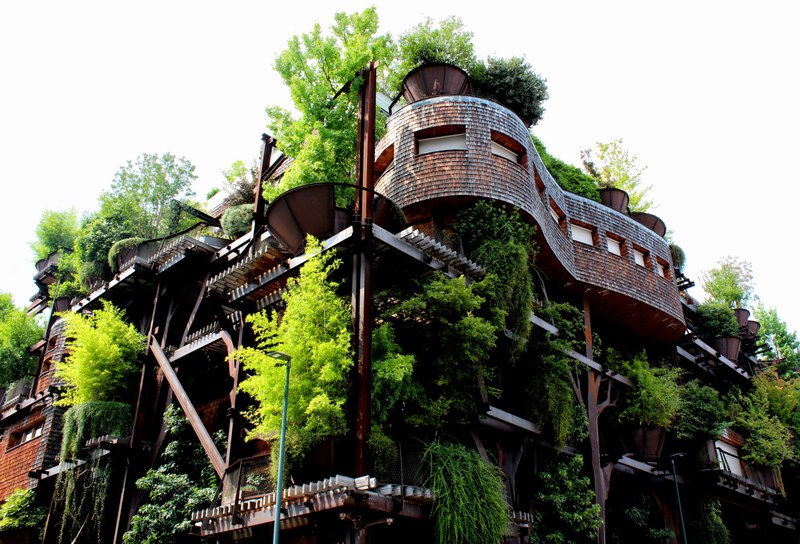
Giulia Soriente, My City /EEA
Imagining a sustainable Europe in 2050
The report 'Imagining a sustainable Europe in 2050: exploring implications for core production and consumption systems' looks at how Europe’s food, energy and mobility systems and the built environment could evolve by 2050. These systems are vital for meeting Europeans’ basic needs but also contribute significantly to environmental and climate pressures, making it crucial to explore how they might evolve in more sustainable ways.
How to achieve sustainability amid shocks and crises?
The ‘Europe’s Sustainability Transitions Outlook’ report stresses the need to broaden today’s political priorities — such as security, competitiveness and fairness — by recognising their dependence on a healthy environment, a stable climate and sustainable resource use.
How can Europe stay the course on sustainability amid shocks and crises? How do we anchor existing environment and climate priorities within new, emerging ones without losing sight of our long-term sustainability objectives?
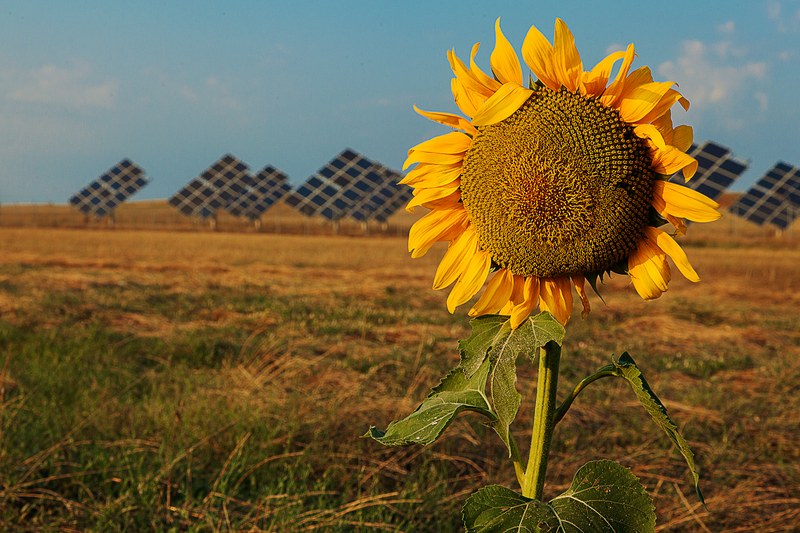
Nikolaos Kalkounos, Picture2050 /EEA
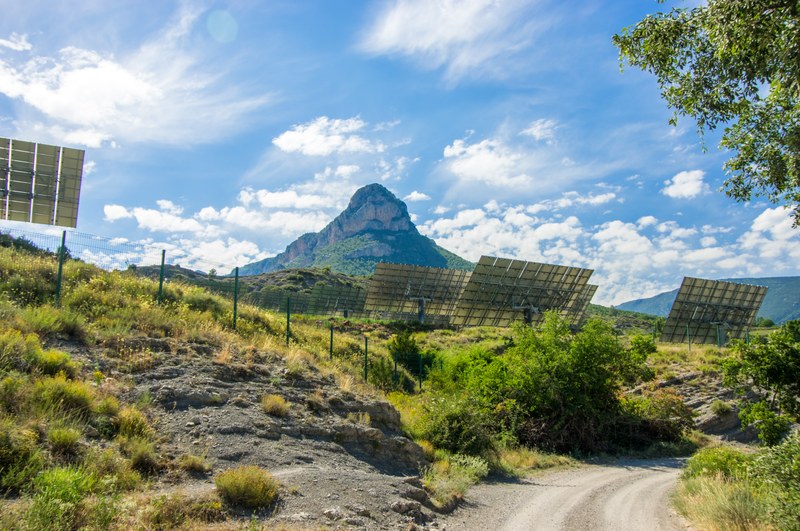
Angelina Volkova, Sustainably Yours /EEA
‘Future-proofing’ the transition to sustainability
Europe must change how people live, work, produce and consume to become sustainable, but guiding such major transitions with policy is challenging. This briefing explores how to future-proof sustainability policies and avoid blind spots using a foresight-based framework that includes participatory exercises with a multidisciplinary group of experts. By assessing future risks and impacts, it outlines strategies that support the sustainability transition and inform future policy.