All official European Union website addresses are in the europa.eu domain.
See all EU institutions and bodies
An official website of the European Union | How do you know?
Environmental information systems
EN


EEA report 05/2026
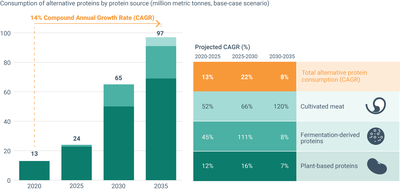
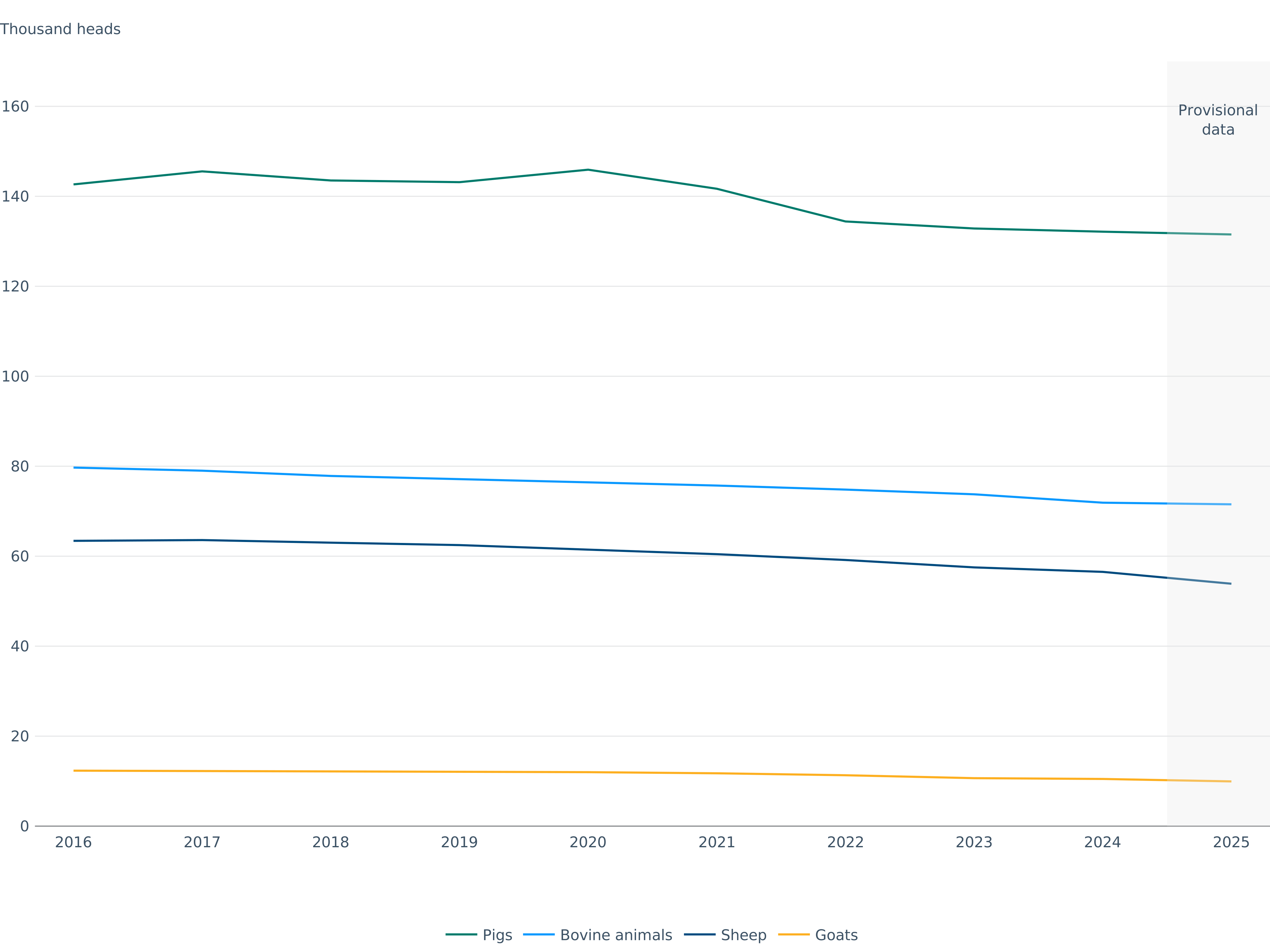
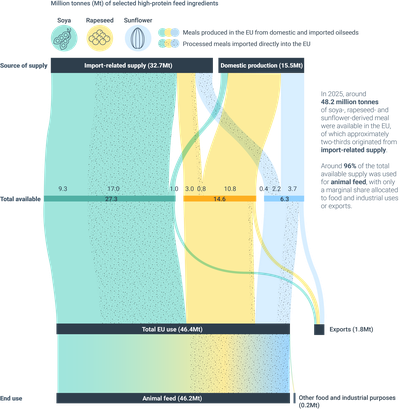
Europe's protein system relies strongly on livestock production and imported feed. This generates environmental pressures within Europe and beyond its borders, while increasing exposure to supply-chain disruptions, market volatility and geopolitical risks. Protein diversification should therefore be understood not as a rapid replacement for livestock production, but as a gradual rebalancing of Europe's protein supply and consumption patterns alongside continued efforts to improve livestock sustainability.
EN PDF: TH-01-26-024-EN-N - ISBN: 978-92-9480-776-2 - ISSN: 1977-8449 - doi: 10.2800/9156778
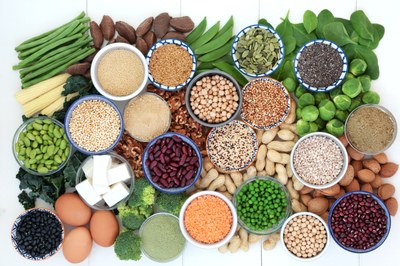
Broadening the range of proteins that Europe produces and consumes could strengthen food security, improve resilience, enhance competitiveness and reduce environmental pressures, according to a new European Environment Agency (EEA) report. The benefits depend on treating protein diversification as a deliberate, long-term strategy.