All official European Union website addresses are in the europa.eu domain.
See all EU institutions and bodies
An official website of the European Union | How do you know?
Environmental information systems
EN


We communicate our work through a wide range of external activities and channels, targeting different audiences — policymakers, journalists, researchers, youth and the wider public. If you want to know more about our latest activities and outputs, see our press releases linked to on our assessments, read our feature articles for short insights into our work, follow our events relevant to your topic of interest or sign up to our newsletter to stay informed.
Shortcuts
Press releases
Check out our latest official press releases issued for our assessments and key corporate milestones.
Corporate visuals
Our logos, design guidelines and photograph selection and more.
Feature articles
Short thematic articles consisting of interviews with our experts, editorials with our Director and more.
Events
See where and how you can follow our online and offline events.
Photo competitions
Our annual outreach activity to engage with European citizens and to raise awareness on key topics.
Newsletter
Sign up for a quarterly update on Europe's environment and our targeted dissemination of interesting material.
Are you a journalist? Meet our press office:
Constant Brand
Press officer
+45 2174 1872
cornelis.brand@eea.europa.eu
Laura Cernahoschi
Press officer
+45 2210 5667
laura.cernahoschi@eea.europa.eu
Do not hesitate to contact our press officers if you have any questions or would like to set up interviews.
If you are not a journalist and have a question about us and our work, please use the enquiries form.
Our latest press releases

Turning Europe’s circular economy ambitions into reality will depend on making it people-focused — in particular — making sure European Union rules in place work to make it a success for entrepreneurs, business owners, citizens and workers alike, according to two assessments published by the European Environment Agency (EEA) today.
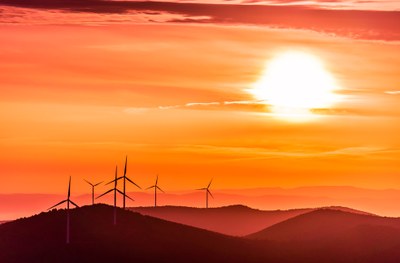
The European Union's greenhouse gas emissions fell a further 3% between 2023 and 2024, bringing the EU’s total emission reductions to 40% below 1990 levels, according to official EU data sent to the United Nations Framework Convention on Climate Change (UNFCCC) and a European Environment Agency (EEA) analysis published today. The EU greenhouse gas inventory was prepared and submitted to the UN body by the EEA on behalf of the EU on 15 April.
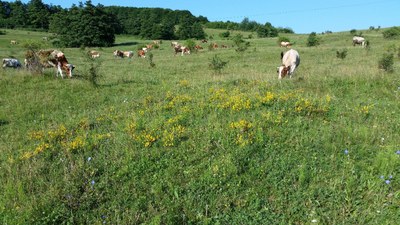
One in three habitats protected under EU law depends on low-intensity grazing. According to a European Environment Agency (EEA) briefing published today, 10–15% of all EU cattle, sheep and goats are needed to maintain habitats protected under the EU Habitats Directive through low-intensity grazing.