All official European Union website addresses are in the europa.eu domain.
See all EU institutions and bodies
An official website of the European Union | How do you know?
Environmental information systems
EN


Our quality of life depends on a reliable supply of energy at an affordable price. Industry, transportation, services, cooking, heating, cooling and lighting, all rely on this. A speedy transition from fossil fuels to clean and renewable energy will significantly reduce the climate, health and environmental impacts of energy production and consumption, while ensuring energy security.
Although renewable and clean energy accounts for a growing share of Europe’s energy needs, we still depend on fossil fuels to obtain most of the energy we use, and their combustion affects us all. It releases air pollutants that harm our health. It also releases greenhouse gases that contribute to climate change.
Greenhouse gas emissions in the energy supply sector have halved since 2005, as of 2023. In recent decades, the EU set ambitious climate and energy targets aimed at boosting the share of renewable energy sources in the overall energy mix and saving energy through conservation and efficiency improvement measures. If achieved, greenhouse gas emissions and their impacts can be significantly reduced.
The accelerating decarbonisation of the European economy has only been possible due to the rapid expansion of renewable energy, paired with the reduced use of fossil fuels. According to EEA estimates, the share of renewable energy has grown from 10% in 2005 to an estimated 24% of the EU’s gross final energy consumption by 2023. Further, the EU has managed to continue reducing its energy consumption: primary energy use has fallen by 19% since 2005, while final energy consumption saw a 11% reduction during the same timeframe, according to early estimates for 2023.
Press releases and articles
Publications
Indicators
Maps and charts
Datahub
Country fact sheets
Projects
Frequently asked questions
0%
of gross final energy consumption
came from renewables in 2023
0%
reduction in Primary Energy Consumption in 2023
compared to 2005
0%
reduction in GHG emissions from energy use in buildings
compared to 2005
Explore further


Flexibility in Europe's power system
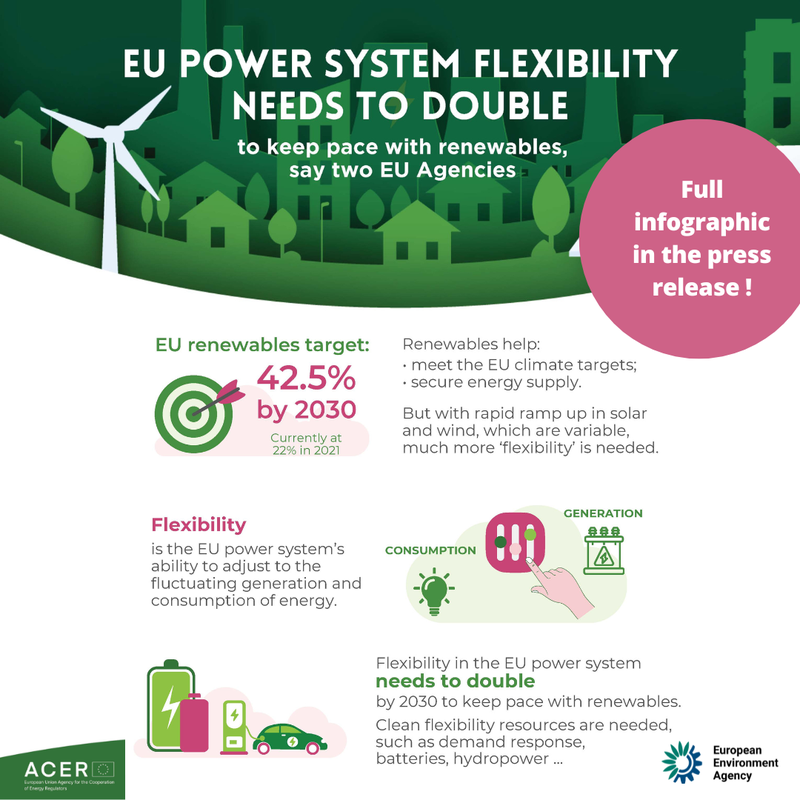
Flexibility is the power system’s ability to adjust to the fluctuating generation and consumption of energy. Flexibility can be provided in different timeframes, such as days, weeks or seasons and by different technologies.
With the EU 2030 renewables target of 42.5% (compared with 22% in 2021), this decade will see an accelerated decarbonisation of EU electricity supply.
EU Member States need to massively ramp up their renewable power capacity in the coming years. This increase in renewables from variable sources, such as wind and solar, will also increase the need for ‘flexibility’ in the EU electricity system.
A joint report by two EU agencies, EEA and ACER, demonstrates how Member States could exploit collaboration synergies to unlock flexibility and enhance energy security while contributing to long-term climate neutrality.
Heating or cooling our homes
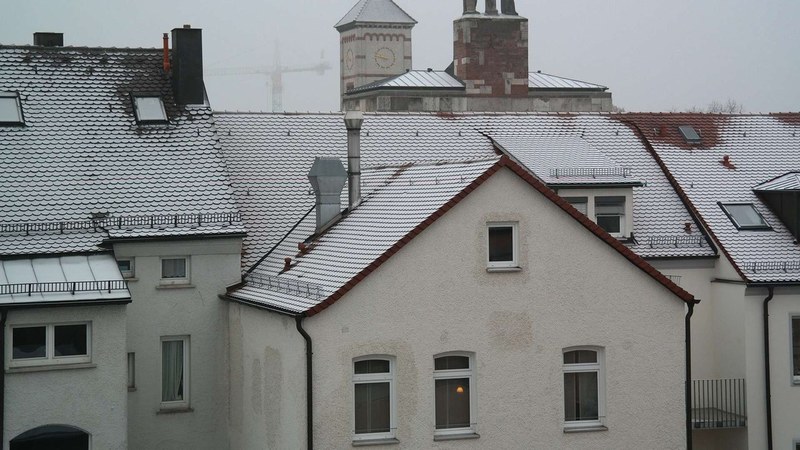
About half of the EU’s final energy consumption goes to heating, making it a key focus area in Europe’s efforts to improve energy security and reduce greenhouse gas emissions.
Decarbonising heating represents one of the major challenges for Europe on the way to meeting climate targets for 2030 and 2050 and ensuring greater energy security. Energy efficiency measures alone are insufficient to decarbonise heating and cooling when fossil fuels are being used as the main energy source. In 2020, almost 80% of all household energy use regarded space and water heating, with over half of this energy being supplied by burning fossil fuels, notably gas. Investments in renewable and waste energy sources for heating and cooling are needed to reduce gas consumption, climate impacts and air pollution.
Hans on Pixabay.com
Goran Grudic, Climate Change PIX /EEA
Can you become a prosumer?
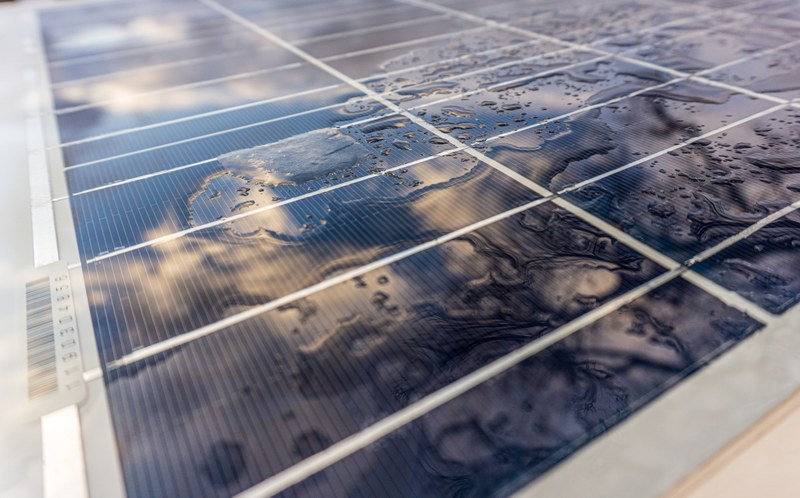
Production of renewable energy by consumers — prosumption — can offer many benefits for individuals and society.
With high energy prices and energy insecurity currently affecting Europe, small-scale prosumption provides a pathway for citizens to increase their energy independence and scale up decarbonisation efforts. Prosumerism can also have social benefits, including a sense of community and empowerment.
Prosumers are now a key element of the recent REPowerEU proposal and its Solar Rooftop initiative. According to the EEA report, almost all EU citizens can contribute in one way or another and potentially become energy prosumers.
Is the European Union on track towards its climate and energy targets?
ImageImage: Perry Wunderlich, NATURE@work /EEA
Energy consumption in Europe and lockdown effect?
Covid lockdowns have affected all aspects of our daily lives, including energy consumption in Europe.
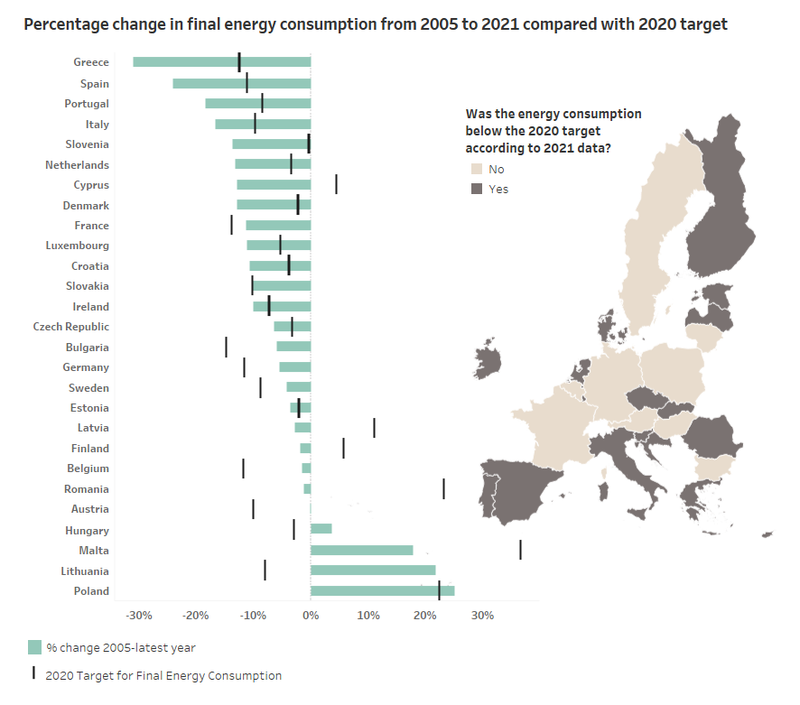
In 2021, the EU’s primary energy consumption (which includes all energy uses) and final energy consumption (by end users) experienced a significant rebound from the extraordinary drop observed in 2020, according to EEA early estimates. Consumption increased across all sectors and energy sources, most notably for the transport sector and for solid fuels, respectively.
Despite this increase, both primary and final energy consumption remained below pre-pandemic levels. Europe has set targets to reduce energy consumption both at the EU level and at Member States level.
Friedrich Fuchshuber, Well with Nature/EEA
Source: Climate and energy in the EU website